
Is your AC thermostat acting up or not working at all? You might think it’s just a small glitch, but it can cause big problems for your comfort and your wallet.
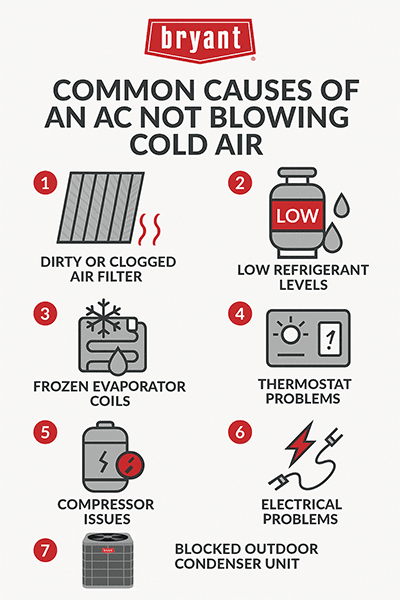
When your thermostat fails, your air conditioner can stop cooling properly, run non-stop, or even shut down completely. Imagine coming home on a hot day only to find your house still sweltering. That’s frustrating, right? Keep reading to find out exactly what happens when your AC thermostat isn’t working and what you can do to fix it before things get worse.
Credit: www.bryant.com
Page Contents
Common Thermostat Issues
Thermostats control your air conditioner’s performance. When they fail, comfort drops fast. Common thermostat issues cause many problems at home. Recognizing these issues can help you act quickly. Below are frequent problems with AC thermostats.
No Display Or Power
Your thermostat screen is blank or dead. No lights, no numbers, no response. This usually means a power issue. Batteries might be dead or need replacement. Wiring problems can also cut power to the device. Sometimes, a tripped circuit breaker causes the blackout.
Inaccurate Temperature Reading
The thermostat shows wrong temperatures. It may say too hot or too cold. This misreading confuses your air conditioner. The AC runs too much or too little. Dirt, dust, or poor placement cause wrong readings. Sensors inside the thermostat might be broken or old.
Unresponsive Controls
Buttons or touchscreen do not work. You try to change settings but nothing happens. This issue stops you from adjusting the temperature. It can be due to software glitches or hardware faults. Loose wiring or worn-out components also cause unresponsiveness.
Frequent Cycling On And Off
The AC turns on and off repeatedly. This short cycling reduces efficiency and comfort. The thermostat may send wrong signals to the AC unit. Faulty wiring, sensor errors, or bad settings lead to this problem. This issue stresses your air conditioner and raises energy bills.
Signs Of A Faulty Ac Thermostat
Recognizing the signs of a faulty AC thermostat can save time and money. The thermostat controls the air conditioner’s temperature and operation. When it malfunctions, the whole system may act strangely. Early signs help you spot problems before they get worse. Watch for these common symptoms that indicate your thermostat might need attention.
Ac Not Turning On
The air conditioner fails to start even if the thermostat is set correctly. This issue often points to a broken thermostat. The unit may show no response when adjusting the temperature. A faulty thermostat can stop the system from receiving power. This problem needs quick checking to avoid discomfort.
Temperature Mismatch
The room feels hotter or colder than the thermostat shows. The displayed temperature does not match the actual room temperature. This mismatch means the thermostat sensor may be inaccurate. The AC runs but does not reach the set temperature. Such errors cause wasted energy and discomfort.
System Running Continuously
The air conditioner keeps running without stopping, even after reaching the set temperature. This nonstop operation suggests the thermostat is not signaling the system to turn off. Continuous running can increase energy bills. It also wears out the AC system faster than normal.
Delayed Response To Settings
The thermostat takes a long time to respond after changing settings. The AC may start or stop with a noticeable delay. This lag indicates poor communication between the thermostat and the AC unit. Slow response causes frustration and inefficient cooling. Timely repairs fix this problem quickly.
Troubleshooting Steps
When your AC thermostat stops working, it can feel frustrating. Troubleshooting helps find simple fixes before calling a technician. This section guides you through easy steps to try at home. These steps cover common issues and often solve the problem fast.
Check Thermostat Batteries
Many thermostats run on batteries. Dead batteries cause the thermostat to stop working. Open the battery compartment carefully. Replace old batteries with fresh ones. Use the correct battery type for your model. After changing batteries, check if the thermostat powers on and responds.
Inspect Wiring Connections
Loose or damaged wires can break the connection. Turn off the power to your AC system before inspecting. Remove the thermostat cover gently. Look for loose or disconnected wires. Tighten any loose connections carefully. If wires look damaged, call a professional to fix them.
Reset The Thermostat
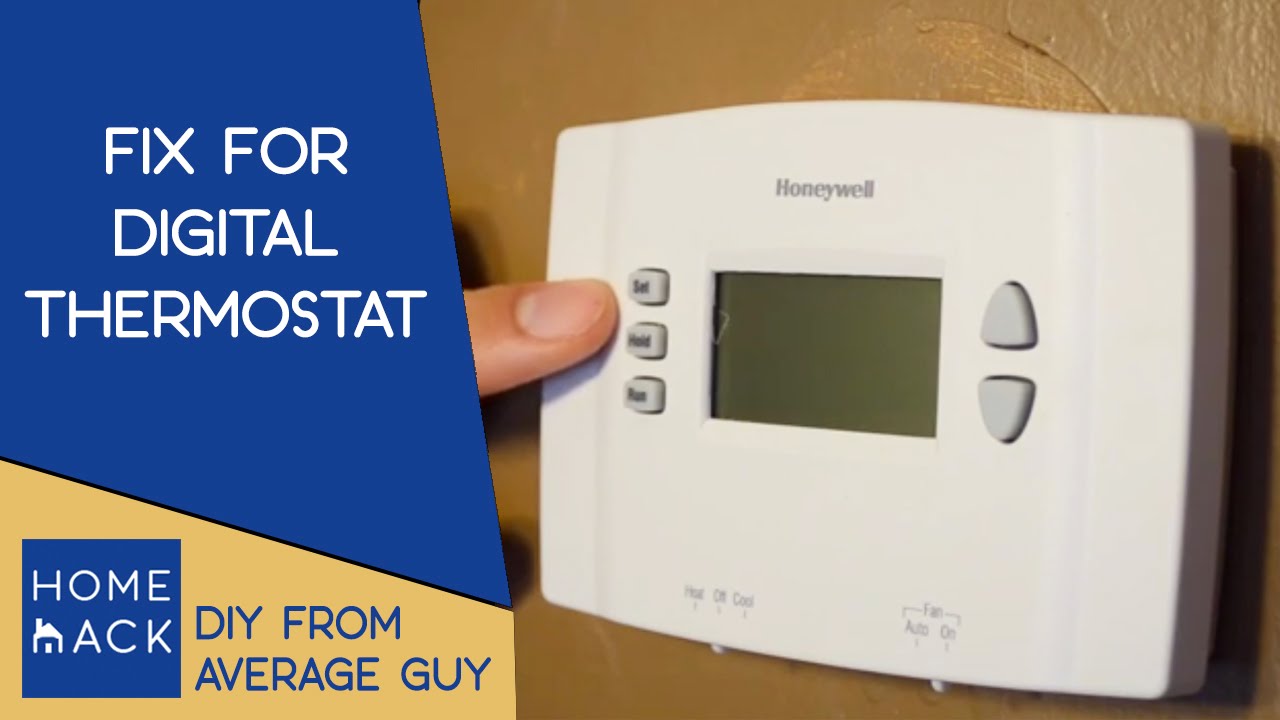
Sometimes, resetting the thermostat fixes software glitches. Locate the reset button or switch on your thermostat. Press and hold the reset button for a few seconds. Alternatively, remove the thermostat from the wall and take out batteries for one minute. Put everything back and turn on the system. Check if the thermostat works properly.
Calibrate Temperature Settings
Incorrect temperature settings cause the AC to run wrongly. Compare the thermostat reading with a reliable thermometer. If the readings differ, adjust the thermostat calibration. Follow your model’s manual for calibration steps. Proper calibration ensures the AC cools or heats correctly.
When To Replace Your Thermostat
Your thermostat controls your AC’s temperature. When it stops working well, problems start. Knowing when to replace it saves money and keeps your home comfortable.
Age And Wear
Thermostats wear out over time. Most last about 10 years. Older models can fail or show wrong temperatures. If your thermostat is old, it may be time to replace it.
Incompatibility With New Systems
New AC systems need modern thermostats. Old ones might not work with new units. This causes poor performance or no control at all. Replacing your thermostat ensures it fits your system.
Energy Efficiency Considerations
Old thermostats often waste energy. They may keep the AC running too long or not enough. New models use energy better. Upgrading helps lower your electric bills and saves power.
Smart Thermostat Benefits
Smart thermostats offer easy control from your phone. They learn your habits and adjust settings automatically. Some save more energy by turning off when no one is home. These features improve comfort and cut costs.
Professional Repair Vs Diy Fixes
Deciding between professional repair and DIY fixes for a broken AC thermostat can be tricky. Some problems are easy to fix at home. Others need expert help to avoid damage or safety risks. Knowing when to try simple solutions and when to call a technician helps save time and money.
Simple Fixes To Try At Home
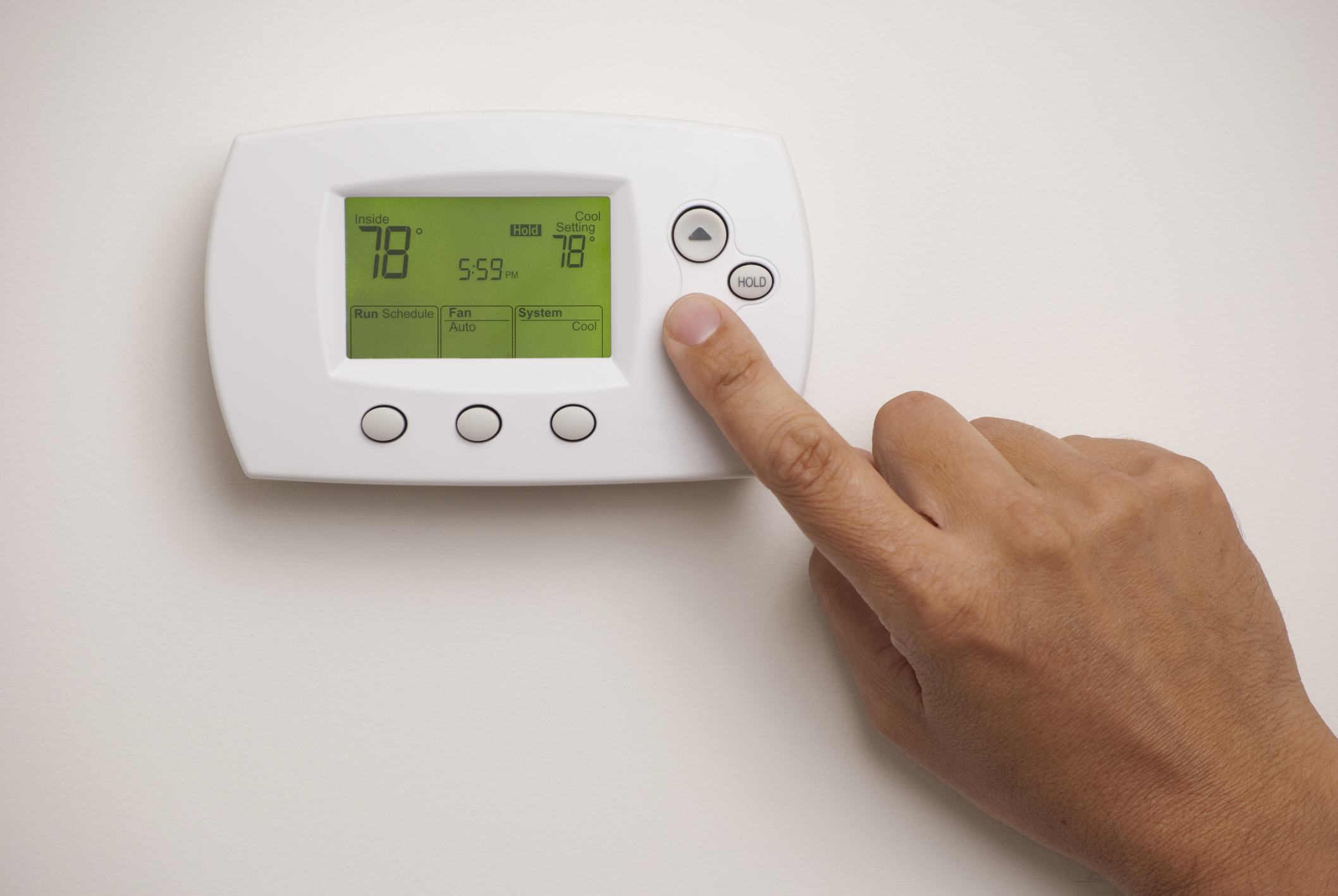
Start by checking the thermostat batteries. Dead batteries often cause display issues. Reset the thermostat by turning it off and on again. Clean dust or dirt around the thermostat with a soft cloth. Make sure the thermostat is set to the correct mode, like cooling or heating. These small steps can solve many common problems without tools.
When To Call A Technician
Call a professional if the thermostat does not respond after simple fixes. Complex wiring or internal faults need expert attention. A technician can test the system and fix deep issues safely. Avoid guessing with electrical parts to prevent damage or injury. Always trust trained experts for complicated repairs.
Cost Implications
DIY fixes usually cost little or nothing but have limits. Buying batteries or cleaning supplies may be your only expense. Professional repairs cost more but offer a lasting solution. Technicians charge for labor and parts, which vary by problem. Spending on experts can prevent bigger, expensive repairs later.
Safety Precautions
Turn off power to the AC system before any repair attempts. Avoid touching wires or electrical components directly. Use insulated tools if you try minor fixes. Do not open the thermostat casing if unsure about the wiring inside. Safety comes first to prevent shocks or damage to the unit.
Credit: www.gopreferred.com
Credit: www.youtube.com
Conclusion
A broken AC thermostat can cause many problems at home. Your AC may stop cooling or run too long. This wastes energy and raises bills. Fixing the thermostat quickly helps keep your home comfortable. Check batteries or settings before calling a technician.
Small steps can save money and stress. Don’t ignore strange AC behavior. A working thermostat means better control and comfort. Stay cool and save energy by acting fast.