
Is your AC not cooling like it used to? You might be dealing with a faulty thermostat.
Knowing how to tell if your AC thermostat is not working can save you time, money, and frustration. Imagine stepping into a hot room, expecting cool air, but only feeling warm blasts. That’s a clear sign something’s wrong. You’ll discover simple ways to check your thermostat and spot problems before they become costly repairs.
Keep reading to take control of your home’s comfort today.
Credit: www.gopreferred.com
Page Contents
Common Thermostat Issues
Thermostats control your AC and keep your home comfortable. Common issues with thermostats can cause your AC to work poorly or stop working. Knowing these problems helps you spot trouble early. This saves money and avoids discomfort.
No Response To Temperature Changes
The thermostat does not react when you change the temperature setting. The AC keeps running at the same level. This may happen if the thermostat is broken or the wiring is loose. Sometimes, the battery might be dead. Check these parts first to find the cause.
Inaccurate Temperature Readings
The thermostat shows the wrong room temperature. It may say it is cooler or hotter than it really is. This causes the AC to turn on or off too soon. Dust or dirt on the sensor can cause this problem. Cleaning or replacing the thermostat might fix it.
Thermostat Display Problems
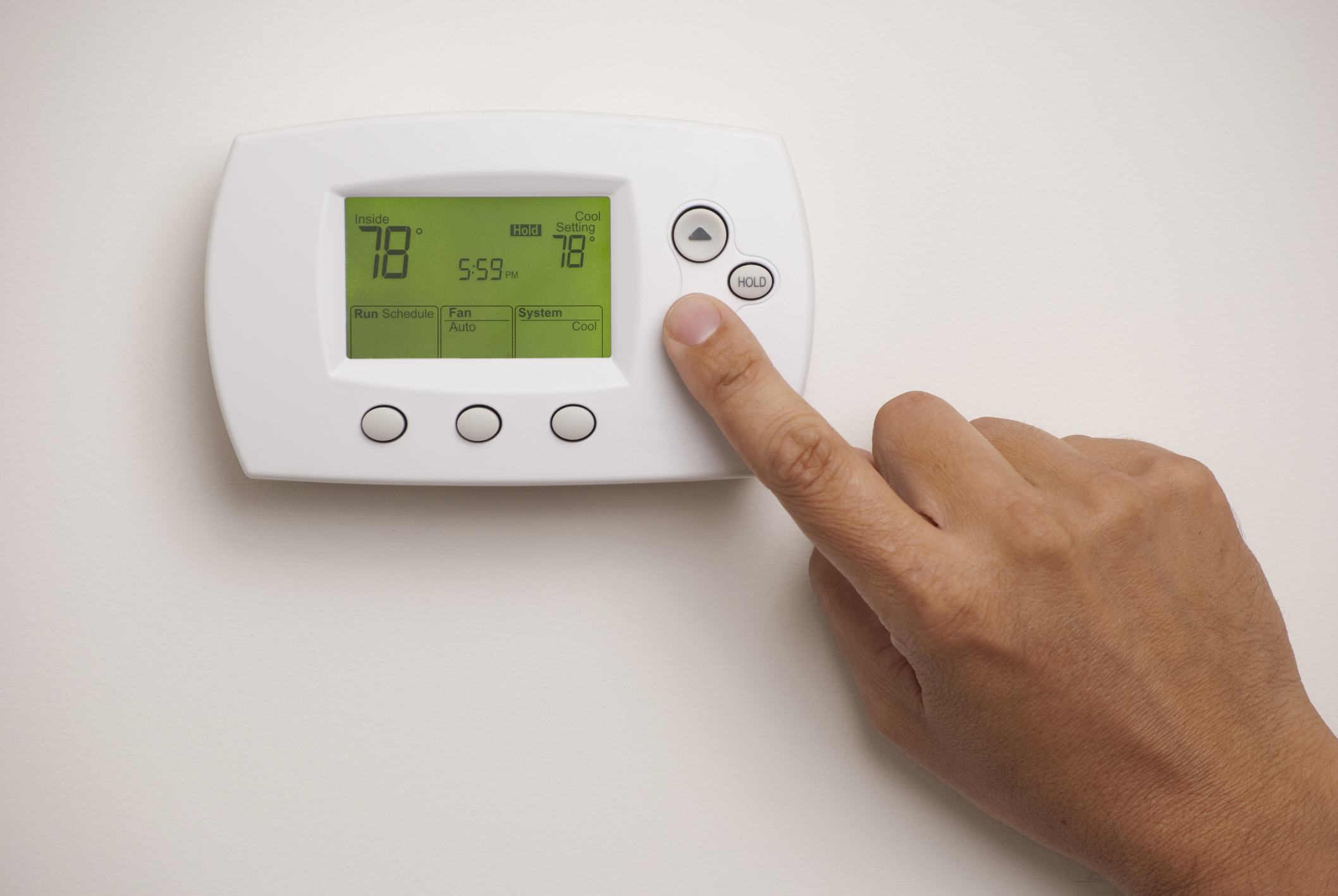
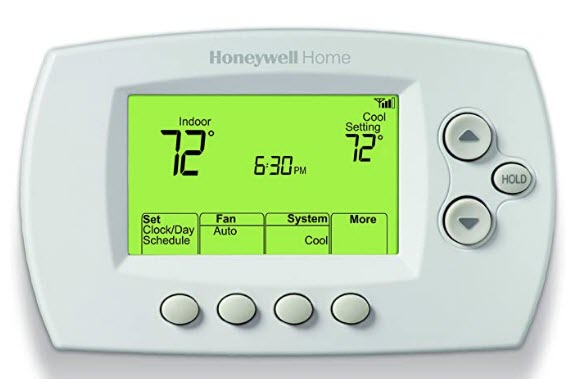
The screen on the thermostat is blank or flickers. Numbers and letters may be hard to read. This can mean the thermostat has electrical problems. Sometimes, the display is damaged or the batteries are low. Replacing batteries or the thermostat can solve this issue.
Credit: coolwithbowman.com
Symptoms Of A Faulty Ac Thermostat
Knowing the symptoms of a faulty AC thermostat helps catch problems early. A thermostat controls your AC’s temperature and operation. If it fails, your home comfort suffers. Spotting issues quickly can save time and money on repairs.
Here are common signs that your AC thermostat might not be working right.
Ac Not Turning On Or Off
The AC should start and stop as needed. A broken thermostat can stop this. Your AC might not turn on at all. Or it may run endlessly without shutting off. This wastes energy and can damage the system.
Unexpected Temperature Fluctuations
The thermostat keeps your home temperature steady. Faulty units cause strange changes. The temperature may swing from cold to warm quickly. Rooms might feel hotter or cooler than set. This makes your space uncomfortable.
Constant Running Or Short Cycling
The AC runs for a reasonable time to cool your home. A bad thermostat causes it to run constantly or turn on and off often. This is called short cycling. It wears out the system fast and raises power bills.
Checking Thermostat Settings
Checking thermostat settings is the first step to find out if your AC thermostat is not working. The thermostat controls the temperature and mode of your air conditioner. Small mistakes here can stop your AC from working well. Look closely at these settings to catch simple issues fast.
Mode And Temperature Settings
Check if the thermostat is set to the right mode. It should be on “cool” for air conditioning. If it’s on “heat” or “off,” the AC won’t turn on. Next, look at the temperature setting. It should be lower than the room temperature to start cooling. Wrong temperature settings can confuse the system.
Battery Status
Many thermostats use batteries. Dead or low batteries cause the thermostat to stop working. Replace batteries at least once a year to keep the thermostat active. If the display is blank or flickering, the batteries might be dead. Always keep spare batteries at home.
Wiring And Connections
Loose or damaged wires can break the thermostat’s connection to the AC. Check the wires behind the thermostat carefully. Make sure all wires are tight and not frayed. Turn off the power before touching wires for safety. Bad wiring often causes the thermostat to fail.
Credit: www.youtube.com
Testing The Thermostat
Testing the thermostat helps find out if it causes AC problems. A faulty thermostat can stop your air conditioner from cooling properly. Simple tests can check if the thermostat works well or needs fixing. These tests require little or no special tools. Follow these steps to test your thermostat easily.
Manual Temperature Adjustment
Start by setting the thermostat to a cooler temperature than the room. Wait a few minutes to see if the AC turns on. If the AC stays off, the thermostat might not be working. Try raising the temperature to see if the AC stops. This test checks if the thermostat can control the AC unit.
Using A Multimeter
A multimeter helps check the thermostat’s electrical parts. Turn off the power to the AC system first. Remove the thermostat cover to access the wiring. Set the multimeter to measure resistance or continuity. Touch the probes to the thermostat terminals. A reading shows if the thermostat switches correctly. No reading means the thermostat may be broken.
Resetting The Thermostat
Resetting can fix minor glitches in the thermostat. Find the reset button or remove the batteries. Wait about 30 seconds before putting batteries back or pressing reset. Turn the thermostat back on and set a cool temperature. See if the AC responds and cools the room. Resetting often clears small errors and restores function.
When To Replace The Thermostat
Knowing when to replace your AC thermostat is important for comfort and energy savings. A faulty thermostat can cause uneven cooling or high energy bills. Sometimes repair is not enough. Replacing the thermostat can improve your AC system’s efficiency and reliability.
Age And Wear
Thermostats usually last 10 to 15 years. Over time, parts inside wear out. Older thermostats may fail to read temperature correctly. This causes your AC to run too long or not enough. If your thermostat is over 10 years old, consider replacing it to avoid problems.
Cost Of Repair Vs Replacement
Repairing a thermostat can cost less than buying a new one. But repairs may only fix part of the problem. If your repair costs are close to a new thermostat price, replacement is smarter. New thermostats often work better and save energy.
Upgrading To Smart Thermostats
Smart thermostats offer better control and energy savings. They let you adjust settings from your phone. Some learn your schedule to cool efficiently. Upgrading to a smart thermostat can improve comfort and lower bills. It is a good reason to replace an old thermostat.
Tips To Prevent Thermostat Problems
Thermostat problems can cause your AC to stop working properly. Preventing these issues helps keep your home cool and saves money. Simple care and smart habits extend the life of your thermostat and system.
Regular Maintenance
Check your thermostat often to ensure it works well. Clean dust from sensors and buttons carefully. Replace batteries every year to avoid power loss. Schedule yearly professional inspections for your whole AC system. Regular care stops small problems from growing bigger.
Proper Installation
Place the thermostat in a central, shaded spot away from sunlight. Avoid areas near windows, doors, or heat sources. Follow the manufacturer’s instructions when installing the device. A correctly installed thermostat reads temperatures accurately. This ensures your AC runs only when needed.
Avoiding Common Mistakes
Do not set the thermostat too low or too high. Avoid changing settings too often or too quickly. Keep the thermostat away from drafts or direct airflow. Don’t block the thermostat with furniture or curtains. Simple habits like these prevent false readings and errors.
Conclusion
A faulty AC thermostat can cause discomfort and higher energy bills. Watch for unusual temperature changes or unresponsive controls. Simple checks help spot problems early. Fixing or replacing a bad thermostat keeps your home cool and saves money. Stay alert to signs and act fast.
A working thermostat ensures comfort all year round.