
When summer arrives, many people start to worry about energy bills and how to keep their homes cool. Air conditioning can be a lifesaver, but if you set your thermostat too low, you may face high costs and even damage your AC unit.
If you set it too high, your home may feel uncomfortable. Finding the right balance is important for your comfort, your health, and your wallet.
Understanding AC thermostat settings for summer can help you stay cool without overspending. There are smart strategies that can make a real difference. This guide explains everything you need to know—from the ideal temperature to smart tips for saving energy and common mistakes to avoid. Whether you live in a hot and humid place or just want to improve comfort during heat waves, these insights will help you make better choices for your home.
Page Contents
- 1 Why Thermostat Settings Matter In Summer
- 2 The Ideal Ac Thermostat Setting For Summer
- 3 Day Vs. Night Settings
- 4 Using Programmable And Smart Thermostats
- 5 How Humidity Affects Comfort
- 6 Common Thermostat Mistakes In Summer
- 7 Energy-saving Tips While Using Ac
- 8 How Thermostat Settings Affect Your Energy Bill
- 9 Ac Thermostat Settings For Different Climates
- 10 Special Settings For Households With Kids, Elderly, Or Pets
- 11 Choosing The Right Thermostat For Your Home
- 12 Two Insights Most People Miss
- 13 When To Call A Professional
- 14 Summary Of Key Points
- 15 Frequently Asked Questions
Why Thermostat Settings Matter In Summer
The thermostat is like the brain of your cooling system. It tells your air conditioner when to start and stop. The temperature you choose affects:
- Energy use
- Cooling costs
- Humidity levels
- Comfort
- Wear and tear on your AC
Even a small change in your setting can make a big difference. For example, raising the temperature by just 1°C (about 2°F) can lower your cooling costs by up to 10%. Many people think they need to set their AC very low, but that is not always true.
In fact, the best temperature for energy savings and comfort is often higher than you expect.
The Ideal Ac Thermostat Setting For Summer
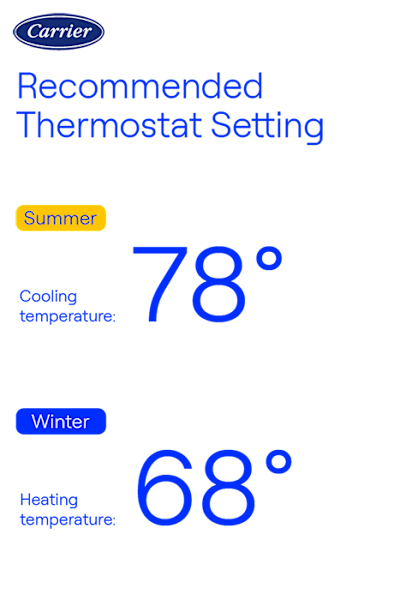
Most energy experts, including the U.S. Department of Energy, recommend setting your thermostat to 78°F (25.5°C) when you are home and need cooling. At night or when you are away, you can set it higher to save more energy.
Here’s why 78°F (25.5°C) is often the sweet spot:
- It keeps most people comfortable, especially with fans.
- It helps your air conditioner run efficiently.
- It reduces the risk of your AC freezing or working too hard.
- It saves money compared to lower settings.
But the ideal setting can change based on your needs.
Adjusting For Your Lifestyle
Not everyone feels comfortable at the same temperature. Here are some things to consider:
- Children or elderly people may need cooler temperatures.
- Humidity can make a room feel warmer.
- Physical activity inside the home might mean you want a lower setting.
If 78°F feels too warm, try using ceiling fans or portable fans. Air movement helps sweat evaporate from your skin, making it feel cooler. Each degree higher you can set your thermostat without discomfort will save you money.
Credit: www.carrier.com
Day Vs. Night Settings
Many people want it cooler at night for better sleep. But cooling your home at night can be expensive if you keep the same setting as during the day. Here’s a smart approach:
- Daytime (when home): 78°F (25.5°C)
- Daytime (away): 85°F (29.5°C) or higher
- Nighttime: 74–76°F (23–24.5°C) for better sleep
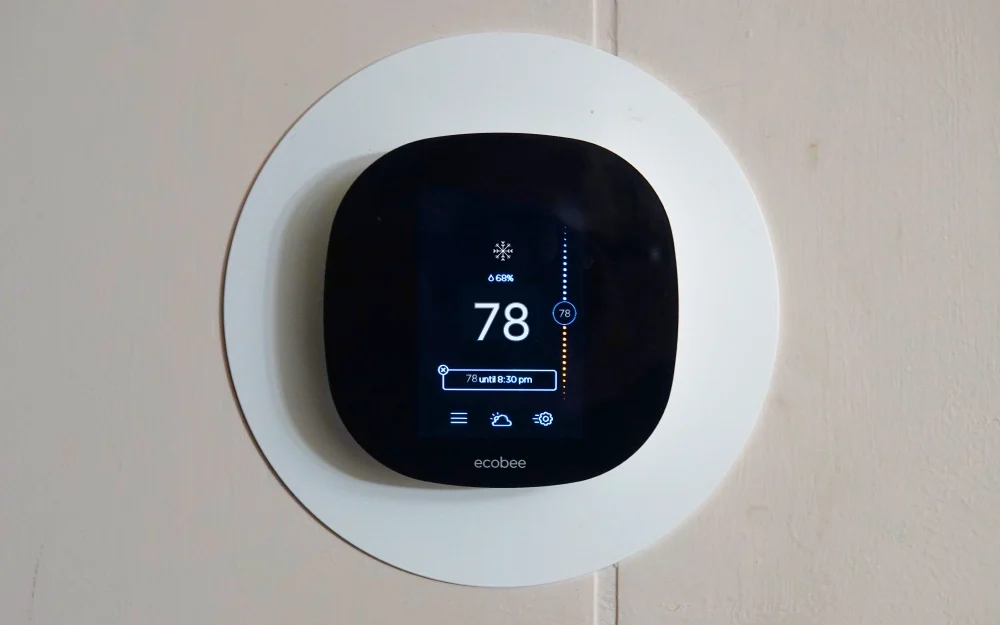
Some thermostats let you set a schedule so the temperature changes automatically. Programmable thermostats are a great investment for this reason.
Using Programmable And Smart Thermostats
A programmable thermostat can save you up to 10% a year on cooling costs. It lets you set different temperatures for different times of the day. Some advanced models, called smart thermostats, learn your habits and adjust automatically.
| Thermostat Type | Main Feature | Energy Savings |
|---|---|---|
| Manual | Set by hand | Low |
| Programmable | Set schedule | Moderate |
| Smart | Auto-learns, remote control | High |
With a smart thermostat, you can adjust settings from your phone, even when you’re not home. Some models also track energy use and suggest ways to save.
How Humidity Affects Comfort
High humidity makes your home feel warmer than it really is. Air conditioners remove some moisture, but if your home is very humid, even a cool temperature may not feel comfortable.
You can use a dehumidifier to help lower humidity. Aim for indoor humidity between 40% and 60% for best comfort. Lower humidity lets you set your thermostat a bit higher without feeling hot.
Example
If your home is at 78°F with 70% humidity, it will feel much warmer than 78°F with 45% humidity. That’s why in many tropical areas, controlling humidity is just as important as cooling the air.
Common Thermostat Mistakes In Summer
Many people make simple errors that waste energy or reduce comfort. Here are some of the most common:
1. Setting The Thermostat Too Low
Turning the AC to 65°F or lower won’t cool your home faster. It only makes your AC run longer and use more power.
2. Frequent Changes
Changing settings often confuses your system and wastes energy. Set it and leave it unless you really need to adjust.
3. Cooling Empty Rooms
If you’re not home, set the thermostat higher or use the “away” setting. There’s no need to cool an empty house.
4. Ignoring Maintenance
Dirty filters and blocked vents make your AC less effective. Check and clean filters every month in summer.
5. Not Using Fans
Fans use much less energy than air conditioners. Use them to help circulate cool air.

Credit: everestkitchennc.com
Energy-saving Tips While Using Ac
You can stay comfortable and still save energy by following these ideas:
- Close curtains or blinds during the day to block sunlight.
- Seal windows and doors to prevent cool air from escaping.
- Use ceiling fans to spread cool air.
- Cook outside or use the microwave to avoid adding heat indoors.
- Replace old thermostats with programmable or smart models.
- Upgrade insulation to keep the cool air inside.
- Service your AC unit yearly to keep it running well.
How Thermostat Settings Affect Your Energy Bill
The temperature you choose has a direct effect on your electricity costs. For every degree you raise your thermostat above 72°F (22°C), you can save 3–5% on cooling costs.
Here’s an example comparison:
| Thermostat Setting | Estimated Monthly Cost* | Comfort Level |
|---|---|---|
| 72°F (22°C) | $130 | Cool |
| 75°F (24°C) | $110 | Comfortable |
| 78°F (25.5°C) | $95 | Comfortable |
| 82°F (27.5°C) | $80 | Warm |
*Costs are examples for a medium-sized home in a warm climate.
As you can see, small changes can add up to big savings without making your home uncomfortably warm.
Ac Thermostat Settings For Different Climates
Where you live makes a big difference:
- Humid climates: Focus on humidity control. Use the “dry” mode if your AC has one. Keep indoor humidity below 60%.
- Dry climates: You may feel comfortable at higher temperatures. Use fans to help with airflow.
- Very hot regions: You may need to set the thermostat slightly lower, but still aim for 78°F as a starting point.
Each home is unique. Test settings for a few days to find what works best for your family.
Special Settings For Households With Kids, Elderly, Or Pets
Some people are more sensitive to heat:
- Infants and elderly: May need cooler temperatures, around 75–77°F (24–25°C).
- Pets: Most dogs and cats are fine at 78°F, but ask your vet if you have exotic animals or breeds sensitive to heat.
Never set the thermostat so high that it risks anyone’s health. If you have vulnerable people in your home, comfort is more important than saving a few extra dollars.
Choosing The Right Thermostat For Your Home
If your thermostat is old or hard to use, upgrading can be a smart move. Here’s how to compare options:
| Feature | Manual | Programmable | Smart |
|---|---|---|---|
| Set schedules | No | Yes | Yes |
| Remote control | No | No | Yes |
| Energy reports | No | No | Yes |
| Learning ability | No | No | Yes |
| Price | Low | Medium | High |
Many utility companies offer rebates for upgrading to smart thermostats. Check local programs before buying.
Two Insights Most People Miss
1. Acs Cool At A Fixed Rate
Setting your thermostat much lower than your target temperature won’t cool your home any faster. Air conditioners work at a steady pace. Setting it to 65°F instead of 78°F just makes the unit run longer, costing you more.
2. Fans Don’t Lower Room Temperature
Ceiling and portable fans make you feel cooler but don’t actually change the air temperature. They work by moving air over your skin, speeding up sweat evaporation. Turn fans off when you leave a room to save energy.
When To Call A Professional
If your AC cannot keep up with your thermostat setting, or if some rooms are much warmer than others, there could be a bigger issue. Common problems include:
- Low refrigerant
- Dirty coils
- Leaky ductwork
- Broken thermostat
A professional can check your system and suggest repairs or upgrades. Regular maintenance also helps your AC last longer and work better.
Summary Of Key Points
- The best AC thermostat setting for summer is 78°F (25.5°C) for most homes.
- Raise the temperature when you’re away to save energy.
- Use fans and control humidity for more comfort.
- Avoid common mistakes like setting the AC too low or ignoring filters.
- Choose a thermostat that fits your lifestyle for better control and savings.
If you want to learn more about efficient home cooling, you can visit the U.S. Department of Energy’s thermostat guide.
Getting your thermostat settings right can make your home comfortable and lower your costs. With a few smart changes, summer can be cool and affordable.
Credit: bkvenergy.com
Frequently Asked Questions
What Is The Best Ac Thermostat Setting For Summer?
Most experts recommend 78°F (25.5°C) when you are at home and need cooling. Set it higher when you are away to save money.
Will Setting My Thermostat Lower Cool My Home Faster?
No. Air conditioners cool at a steady rate. Setting the thermostat much lower just makes the AC run longer and uses more energy.
Is It Better To Leave The Ac On All Day Or Turn It Off When Leaving?
Raise the temperature when you leave, rather than turning the AC off completely. This saves energy but keeps your home from getting too hot.
Should I Use Fans With My Ac In Summer?
Yes. Fans help circulate cool air and make you feel cooler, allowing you to set the thermostat higher without losing comfort.
How Often Should I Change My Ac Filter In Summer?
Check your AC filter every month during heavy use. Replace it if it looks dirty to keep your system running efficiently.