
Is your AC blowing cold air, but your thermostat just won’t go down? It’s confusing and frustrating when your cooling system seems to be working, yet the temperature on your thermostat stays stubbornly high.
You might wonder if your thermostat is broken or if there’s a hidden problem with your AC. Don’t worry—you’re not alone, and there’s a simple reason behind this issue. Keep reading to discover why this happens and how you can fix it quickly, so your home feels comfortable again without wasting energy or money.
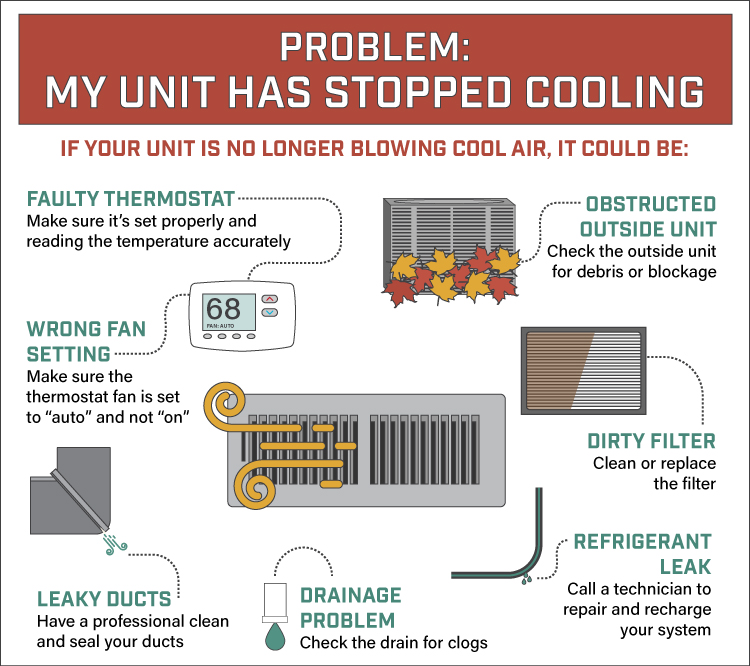
Credit: www.autoservis-paroubek.cz
Page Contents
Reasons For Ac Blowing Cold Air
Air conditioners blowing cold air but the thermostat not going down can confuse many. Understanding why this happens helps to find the right solution. Several key parts work together for cooling and temperature control. Problems in any part can cause this issue.
Knowing how the AC system functions and the thermostat’s role clarifies the reasons behind cold air with a stuck thermostat. This knowledge helps to fix or explain the problem clearly.
Functioning Of Ac Cooling System
The AC cooling system removes heat from inside the room. It uses refrigerant to absorb heat and release it outside. The compressor pumps the refrigerant through coils. This process cools the air that blows into the room. Fans help move this cool air around. Sensors monitor the temperature to keep it steady. If any part fails, the cooling system may still blow cold air. But the overall temperature control can be off.
Thermostat Role In Temperature Control
The thermostat measures room temperature and controls the AC. It tells the AC when to turn on or off. The thermostat sets the desired temperature. If the room is colder than the set point, the thermostat should turn off the AC. A faulty thermostat may not register the room temperature correctly. It may keep the AC running even if the room is cold. This causes cold air to blow but the thermostat does not change.
Common Causes Of Thermostat Issues
Thermostat issues can cause your AC to blow cold air but not lower the temperature. Understanding common causes helps fix the problem faster. Many times, the problem lies within the thermostat itself or its setup. Detecting these issues early saves time and money.
Faulty Thermostat Sensor
The thermostat sensor reads the room temperature. If it is faulty, it sends wrong signals. This mistake stops the thermostat from adjusting the temperature correctly. Dust, age, or damage can affect the sensor. Replacing or cleaning the sensor often solves the issue.
Incorrect Thermostat Placement
Thermostats placed near heat sources can give false readings. Sunlight, lamps, or vents cause the thermostat to think the room is warmer. This makes the AC run longer or not cool enough. Moving the thermostat to a shaded, central spot improves accuracy.
Wiring Problems
Loose or damaged wires disrupt thermostat signals. Faulty wiring stops the thermostat from controlling the AC properly. Wires can wear out over time or get disconnected. Checking and fixing wiring restores proper communication between the thermostat and AC unit.
Diagnosing The Thermostat Problem
When your AC blows cold air but the thermostat does not go down, the thermostat might be the issue. Diagnosing the thermostat problem helps you find the cause fast. This way, you know if the thermostat needs fixing or replacing.
Start by checking simple things first. Small errors in settings or damage can stop the thermostat from working right. Follow these steps to diagnose the problem properly.
Checking Thermostat Settings
Look at the thermostat display. Make sure the mode is set to “cool.” The temperature setting should be lower than the room temperature. If it is not, the AC will not turn off. Also, check if the fan is set to “auto” or “on.” “Auto” lets the fan run only when cooling.
Testing Thermostat Accuracy
Use a separate thermometer to check room temperature. Compare it with the thermostat reading. If the thermostat shows a wrong number, it may be faulty. This error can stop the system from working well. Calibrate the thermostat or replace it if needed.
Inspecting For Physical Damage
Look closely at the thermostat’s body. Check for cracks, loose wires, or dirt inside. Dust and debris can block sensors. Wires may get loose or broken over time. Physical damage can cause false readings or stop the thermostat from working.
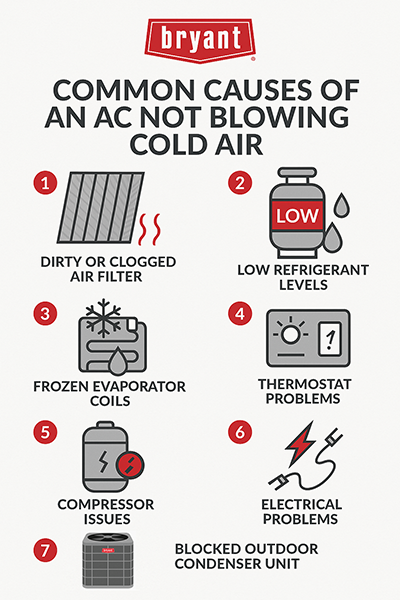
Credit: www.bryant.com
Troubleshooting Steps
Troubleshooting your AC and thermostat can solve many problems fast. Sometimes the AC blows cold air, but the thermostat does not show a lower temperature. This can confuse anyone.
Try simple steps first. These can help fix the issue without calling a technician. Start by resetting the thermostat. Then check the batteries. Finally, recalibrate the thermostat for better accuracy.
Resetting The Thermostat
Resetting the thermostat can clear errors. Turn off the thermostat power. Wait for about 30 seconds. Turn it back on. This restarts the system and may fix display issues.
Look for a reset button or switch. Use the manual if unsure. A reset often helps the thermostat read the correct temperature.
Replacing Thermostat Batteries
Old batteries can cause wrong temperature readings. Open the thermostat cover. Remove the old batteries carefully. Insert new batteries of the correct type. Close the cover firmly.
Check if the thermostat display is clear and stable. New batteries ensure the thermostat works well. Replace batteries every year for best results.
Recalibrating The Thermostat
Thermostats may lose accuracy over time. Recalibration sets the right temperature again. Use the thermostat menu to find calibration settings.
Follow the steps to adjust the temperature reading. Compare the thermostat reading with a separate thermometer. Adjust until both show the same temperature.
This helps the thermostat control the AC better. Accurate readings mean better comfort and energy savings.
When To Call A Professional
Knowing when to call a professional helps save time and money. Some AC problems need expert care to fix safely. Trying to fix complex issues alone can cause more damage. Watch for signs that show your AC needs a technician’s touch. Acting quickly can keep your home cool and comfortable.
Complex Electrical Issues
Electrical problems inside your AC require skill and tools. Faulty wiring or damaged components can be dangerous. A professional knows how to test and repair electrical parts. Avoid risks like shocks or fires by calling an expert.
Persistent Temperature Discrepancies
Your thermostat may not control temperature properly sometimes. If the AC blows cold air but the thermostat won’t go down, something is wrong. This issue can be due to sensor or control board faults. Persistent temperature problems often need professional diagnosis and repair.
Thermostat Replacement Needs
Old or broken thermostats can cause cooling problems. A professional can test if the thermostat works correctly. They can replace it with a new, compatible model. Proper installation ensures your AC runs smoothly and saves energy.
Preventive Measures
Preventive measures help avoid issues like an AC blowing cold air but the thermostat not going down. These steps keep your system working well. They also save money on repairs and energy bills. Small actions can stop big problems.
Regular Maintenance Tips
Clean or replace air filters every month. Dirty filters block airflow and cause errors. Check the outdoor unit for leaves and dirt. Clear debris so air flows freely. Schedule a professional checkup twice a year. Technicians can find hidden problems early.
Proper Thermostat Installation
Place the thermostat away from direct sunlight and heat sources. This stops false temperature readings. Mount it on an interior wall for accuracy. Make sure wiring is correct and secure. Poor installation leads to wrong signals and poor cooling.
Upgrading To Smart Thermostats
Smart thermostats learn your schedule and adjust settings automatically. They improve comfort and save energy. Many allow remote control via phones. Alerts notify you of system issues early. Upgrading can prevent thermostat problems before they start.

Credit: www.kaisei-jigging.com
Frequently Asked Questions
Why Is My Ac Blowing Cold But Thermostat Not Dropping?
This happens when the thermostat sensor is faulty or miscalibrated. It can also be due to poor airflow or dirty filters. The AC cools air, but the thermostat fails to register the temperature drop correctly, keeping the setting unchanged.
Can A Dirty Thermostat Cause Inaccurate Temperature Readings?
Yes, dust and debris on the thermostat sensor can cause incorrect readings. This prevents the thermostat from detecting room temperature accurately, leading to the AC running longer than needed.
How Do I Fix A Thermostat Not Responding To Cold Air?
Try recalibrating or replacing the thermostat. Also, check wiring connections and ensure the sensor is clean. If the problem persists, consult a professional technician for repairs or replacement.
Does Poor Airflow Affect Thermostat Temperature Readings?
Poor airflow can cause uneven room temperature, confusing the thermostat sensor. Blocked vents or dirty filters reduce air circulation, making the thermostat unable to detect actual room temperature changes accurately.
Conclusion
An AC blowing cold air but thermostat not going down can cause frustration. This often means the thermostat or sensor has issues. Check for dirty filters or blocked vents too. Fixing these simple problems saves money and keeps you cool.
Regular maintenance helps your AC run smoothly. Don’t ignore warning signs; act early to avoid bigger repairs. Stay comfortable by keeping your system in good shape. Remember, small checks make a big difference in your home’s cooling.